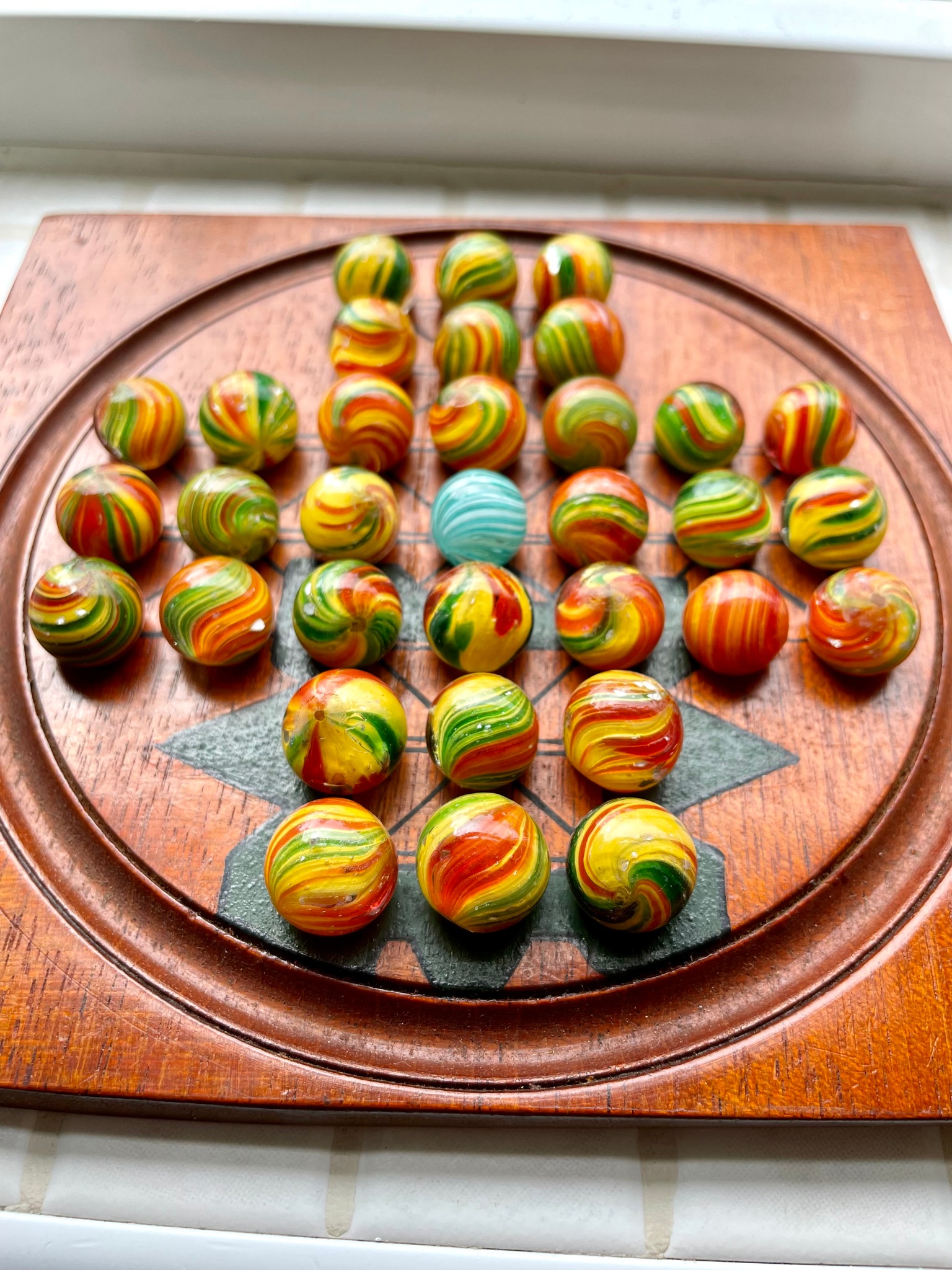
Marbles are often associated with childhood games or specialist collections, but they also have a long and increasingly relevant history as decorative objects. Made from glass, stone, clay, or agate, marbles combine color, form, and craftsmanship in a way few small objects can. Their tactile nature, light-reflecting qualities, and endless variety make them surprisingly versatile design elements.
In recent years, interior designers, stylists, and homeowners have rediscovered marbles as subtle yet striking decorative accents. Whether displayed in bowls, used in creative DIY projects, or incorporated into high-end interior styling, marbles offer a timeless aesthetic that works across traditional, contemporary, and eclectic spaces.
The Visual Appeal of Marbles
Color, Depth, and Light
One of the primary reasons marbles work so well as decorative items is their visual complexity. Even a single marble can contain multiple colors, layered swirls, or translucent glass that interacts beautifully with light. When grouped together, marbles create depth and movement that few decorative fillers can replicate.
Clear and translucent marbles refract light, making them ideal for sunny spaces, window displays, or glass containers. Opaque marbles, particularly those with bold colors or patterns, add contrast and structure to neutral interiors.
Texture and Form
Perfectly spherical yet subtly imperfect, marbles offer a pleasing balance between precision and organic variation. Their smooth surface contrasts well with natural materials such as wood, linen, stone, and ceramics. This contrast makes marbles especially effective in minimalist or modern interiors, where small details carry significant visual weight.
Photographing glass is one of the most challenging yet rewarding areas of photography glass marbles are on another level. Glass is transparent, reflective, and highly sensitive to light, meaning small changes in setup can dramatically affect the final image. Unlike opaque subjects, glass interacts with its environment, reflecting surrounding colors, shapes, and light sources—often in ways the photographer did not intend.
Whether you are photographing decorative glass, antiques, studio art glass, or collectible marbles, understanding how light behaves is far more important than owning expensive equipment. This guide provides a practical, step-by-step approach to photographing glass successfully, with a dedicated section on marbles and other small spherical glass objects.
Understanding the Challenges of Glass Photography
Transparency and Reflections
Glass does not photograph itself—it photographs what surrounds it. Reflections from windows, walls, clothing, and even the camera can appear clearly in the surface. Transparency adds complexity, as light passes through the object and reveals internal features, dust, or imperfections.
Successful glass photography is therefore about controlling the environment rather than simply pointing a camera at the subject.
Light Transmission vs Reflection
Glass shows its shape not through direct lighting, but through the way light reflects along its edges. Flat lighting often makes glass disappear, while carefully placed highlights define form and depth.
Understanding this principle is essential before moving on to practical setups.
Essential Equipment for Photographing Glass
Camera and Lens
You do not need the most expensive camera to photograph glass well, but you do need control.
Recommended features:
- Manual exposure control
- Ability to shoot RAW
- A macro or close-focusing lens
A macro lens is particularly useful for marbles, allowing you to capture internal detail and surface condition without distortion.
Tripod
A tripod is essential. Glass photography often requires longer exposures due to diffused lighting and smaller apertures. A stable camera also allows precise composition and consistent framing.
Lighting Tools
Key tools include:
- Continuous LED lights or desk lamps
- Diffusers (softboxes, tracing paper, white fabric)
- Black and white cards (flags and reflectors)
These inexpensive tools matter more than the light source itself.
Lighting Techniques for Glass
Diffused Light Is Critical
Harsh, direct light creates blown highlights and distracting reflections. Diffused light softens transitions and reveals form more naturally.
Place lights behind diffusion material to create large, soft light sources. The larger the apparent light source, the smoother the reflections.
Using Black and White Cards
Glass often looks best when surrounded by controlled contrast.
- White cards brighten edges and add clarity
- Black cards define shape and prevent glass from blending into the background
Moving these cards millimeters at a time can dramatically change the result.
Backlighting and Edge Lighting
Backlighting is especially effective for transparent and translucent glass. Light placed behind the object highlights contours and internal details.
Edge lighting—placing light slightly behind and to the side—creates luminous outlines that help the glass stand out from the background.
Background Selection
Simple Is Better
Busy backgrounds ruin glass photography. Neutral backgrounds—black, white, or soft gradients—keep attention on the subject.
- Black backgrounds emphasize highlights and edges
- White backgrounds create clean, catalogue-style images
Textured backgrounds should be avoided unless intentionally styled.
Distance from Background
Separating the glass from the background helps prevent harsh shadows and allows smoother light falloff. Even a few inches of distance can make a noticeable difference.
Camera Settings for Glass Photography
Aperture
Use smaller apertures (f/8–f/16) to maintain sharpness across the object. For marbles, depth of field is critical due to their curved surface.
ISO and Shutter Speed
Keep ISO as low as possible to preserve clarity. Shutter speed is less important when using a tripod—long exposures are acceptable.
Focus
Manual focus is often more reliable, especially for small glass objects. Focus stacking may be useful for extreme close-ups.
Cleaning and Preparation
Glass shows everything.
Before shooting:
- Wear lint-free gloves
- Clean with microfiber cloths
- Use compressed air for dust
Inspect the object under strong light before photographing. Removing dust afterward in editing is far more difficult.
Special Section: Photographing Marbles
Unique Challenges of Marbles
Marbles are small, spherical, and highly reflective. Their curved surface reflects nearly the entire environment, including the camera and photographer.
Additionally, marbles often contain internal swirls, ribbons, or bubbles that must be revealed without overpowering surface reflections.
Supporting the Marble
Marbles should never roll freely during photography.
Common supports include:
- Clear museum putty
- Small rings of clear plastic
- Soft wax hidden beneath
Ensure the support does not cast visible reflections or distortions.
Lighting Setup for Marbles
A proven setup includes:
- A diffused light source above and slightly behind
- Black cards on either side to define edges
- A neutral background below
This setup creates a clear highlight band that follows the marble’s curve, defining its shape without harsh glare.
Revealing Internal Detail
To highlight internal patterns:
- Use backlighting with heavy diffusion
- Slightly underexpose to protect highlights
- Adjust card placement to control contrast
Rotating the marble incrementally between shots allows you to capture its most attractive orientation.
Size and Scale
For collectible marbles, accurate representation matters. Avoid wide-angle lenses that distort size. Include reference images when necessary, but keep main shots clean and distraction-free.
Editing Glass Photographs
Subtle Adjustments Only
Editing should enhance, not transform.
Focus on:
- Contrast refinement
- Highlight recovery
- Dust spot removal
Avoid excessive clarity or sharpening, which exaggerates flaws.
Colour Accuracy
Accurate colour is crucial for collectible glass and marbles. Use consistent white balance and avoid heavy color grading.
Common Mistakes to Avoid
- Photographing glass in uncontrolled rooms
- Wearing bright clothing during shoots
- Overlighting from the front
- Ignoring dust and fingerprints
- Relying solely on editing to fix issues
Most problems are easier to fix during setup than afterward.
Building a Repeatable Workflow
Consistency matters, especially for cataloguing collections or selling items online.
Develop a repeatable process:
- Prepare and clean
- Set background and cards
- Adjust lighting
- Lock camera settings
- Fine-tune reflections
This approach saves time and improves results we have
Photographing glass is less about technical complexity and more about patience, observation, and control. By learning how light interacts with transparent and reflective surfaces, photographers can create images that reveal beauty, craftsmanship, and detail without distraction.
Marbles, in particular, reward careful handling and thoughtful lighting. When photographed well, they transform from small glass spheres into striking visual objects that showcase both artistry and history.
With the techniques outlined in this guide, photographing glass becomes not a source of frustration, but a refined and repeatable skill. The Vintage Marbles company are a great place to see some great marbles photography.
Leave a Reply